
Resource · Planning
Menu Planner: Organization and Efficiency
Meal planning is the most effective tool for maintaining a balanced diet and reducing daily stress. We help you organize your culinary week logically, taking advantage of seasonal ingredients and optimizing preparation times.
Benefits of the planner
- ▸Fewer impulse purchases
- ▸Guaranteed nutritional variety
- ▸Seasonal utilization
- ▸Waste reduction
Technique · 01
The Concept of Batch Cooking
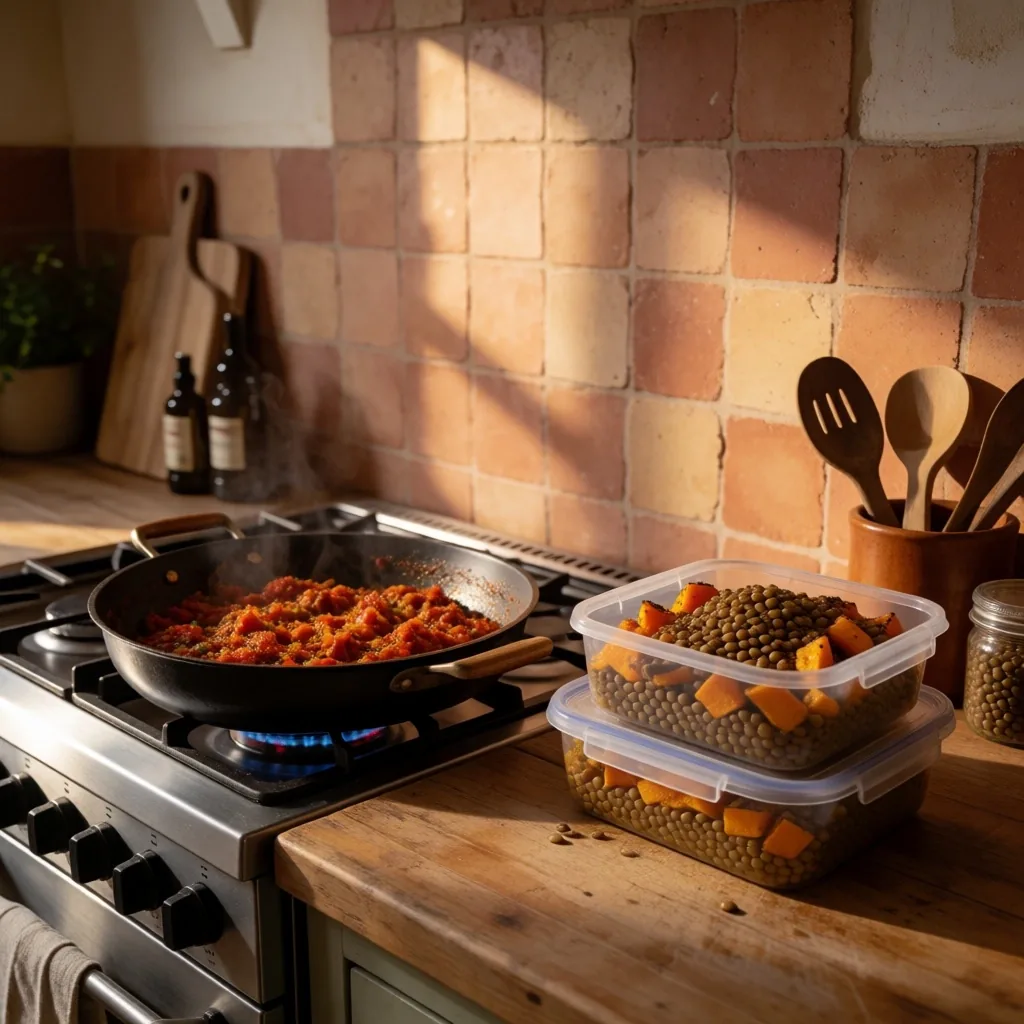
Batch cooking consists of dedicating a few hours on the weekend to preparing food bases that are then combined throughout the week. We teach you which foods hold up best over time and how to organize these sessions to make them productive.
Preparing a large amount of sofrito, roasting various vegetables, or boiling legumes in advance will allow you to assemble nutritious dinners in less than ten minutes on weekdays. The key is to cook neutral ingredients that allow for multiple finishes.
Bases that last for days
- ▸ Tomato and onion sofrito— base for rice dishes, stews, and pasta sauces for four days
- ▸ Roasted vegetables— zucchini, pepper, and onion as a side dish or filling
- ▸ Cooked legumes— chickpeas and lentils for salads, creams, and stews
- ▸ White or brown rice— accompanies stir-fries, bowls, and fillings
Principle · 02
Nutrient Rotation
For a balanced diet, it is essential to vary protein sources and types of vegetables throughout the week. Our planner suggests weekly structures that include legumes two or three times a week, white and oily fish, and a wide range of seasonal vegetables.
It is not a diet, but a guide to ensure we do not forget essential food groups. Rotation avoids palate monotony and ensures that the pantry covers daily needs without always resorting to the same dishes.
Principle · 03
Making the Most of Your Grocery Basket
Planning your menu allows you to buy only what is necessary, reducing food waste. If you buy a large bunch of spinach, we show you how to integrate it into a scramble on Monday and a cream soup on Wednesday. Each ingredient enters the kitchen with two or three assigned destinations.
This approach to resourceful cooking is the foundation of traditional household economy and one of the smartest ways to manage home resources. Planning prevents the fridge from becoming a graveyard for wilted vegetables.
Example · A bunch of spinach
Principle · 04
Adapting to Family Schedules
Every family has different rhythms. That is why we offer flexible templates that adapt to those who eat away from home with a lunchbox or those who need quick dinners for the children. The key is the versatility of the recipes; many of our dishes can be finished at the last minute or eaten cold without losing their properties or flavor.
The same stew can be served hot on Monday, packed in a lunchbox on Tuesday, and turned into a pie filling on Wednesday. Planning does not chain you to the kitchen: it frees you so you can adapt to real life.
Principle · 05
The Smart Pantry
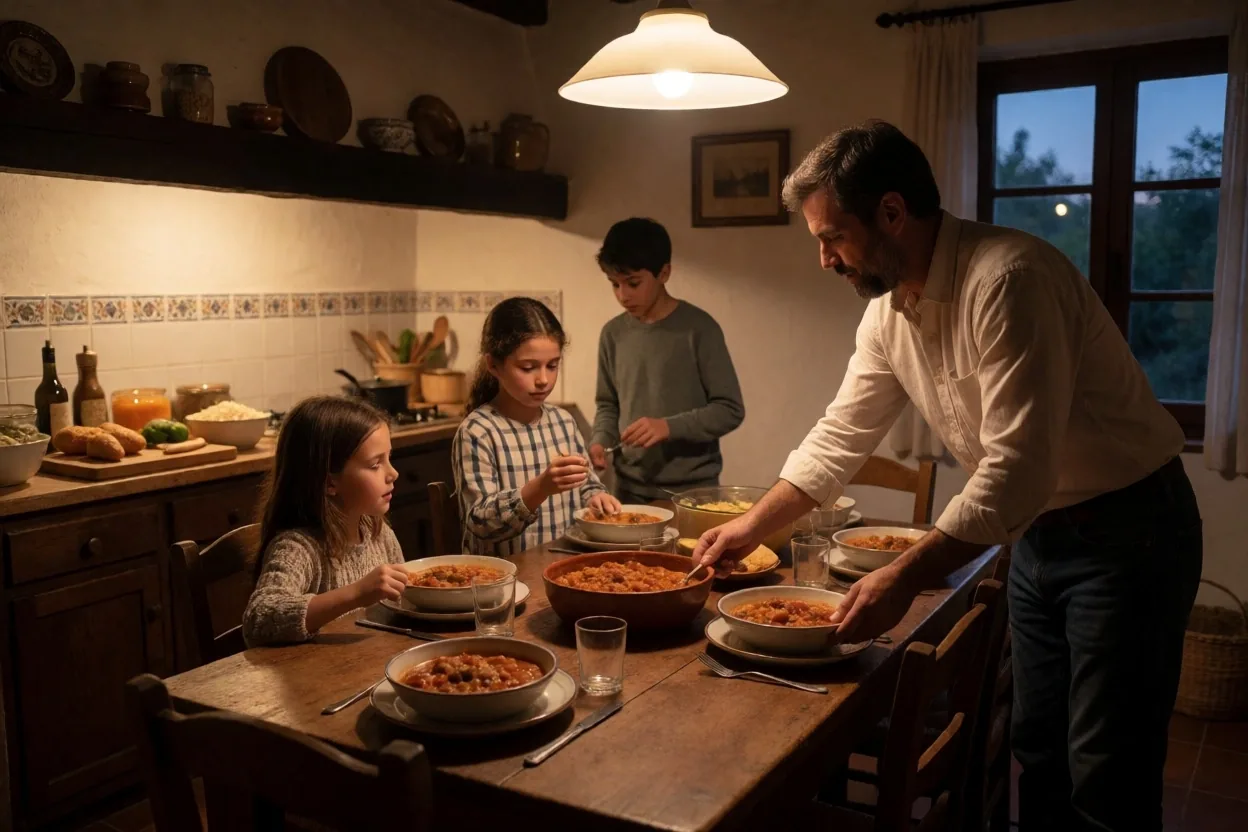
A good planner starts with a pantry well-stocked with staples. We list the essential ingredients that should never be missing: oils, spices, quality canned goods, and grains. Having these items on hand ensures that, even if planning fails, there is always a healthy option available before resorting to takeout or pre-cooked meals.
The pantry is the kitchen's insurance: with four good cans and a decent spice cabinet, any week can be saved.
Oils and fats
- Extra virgin olive oil
- Mild olive oil (for frying)
- Grass-fed butter
Spices
- Sweet paprika and Pimentón de la Vera
- Saffron threads
- Cumin, oregano, bay leaf
Canned goods
- Quality crushed tomato
- Canned tuna and bonito in oil
- Canned cooked legumes
Grains and flours
- Bomba and brown rice
- Dry semolina pasta
- Wheat and corn flour
Principle · 06
Listening to the Body and the Season
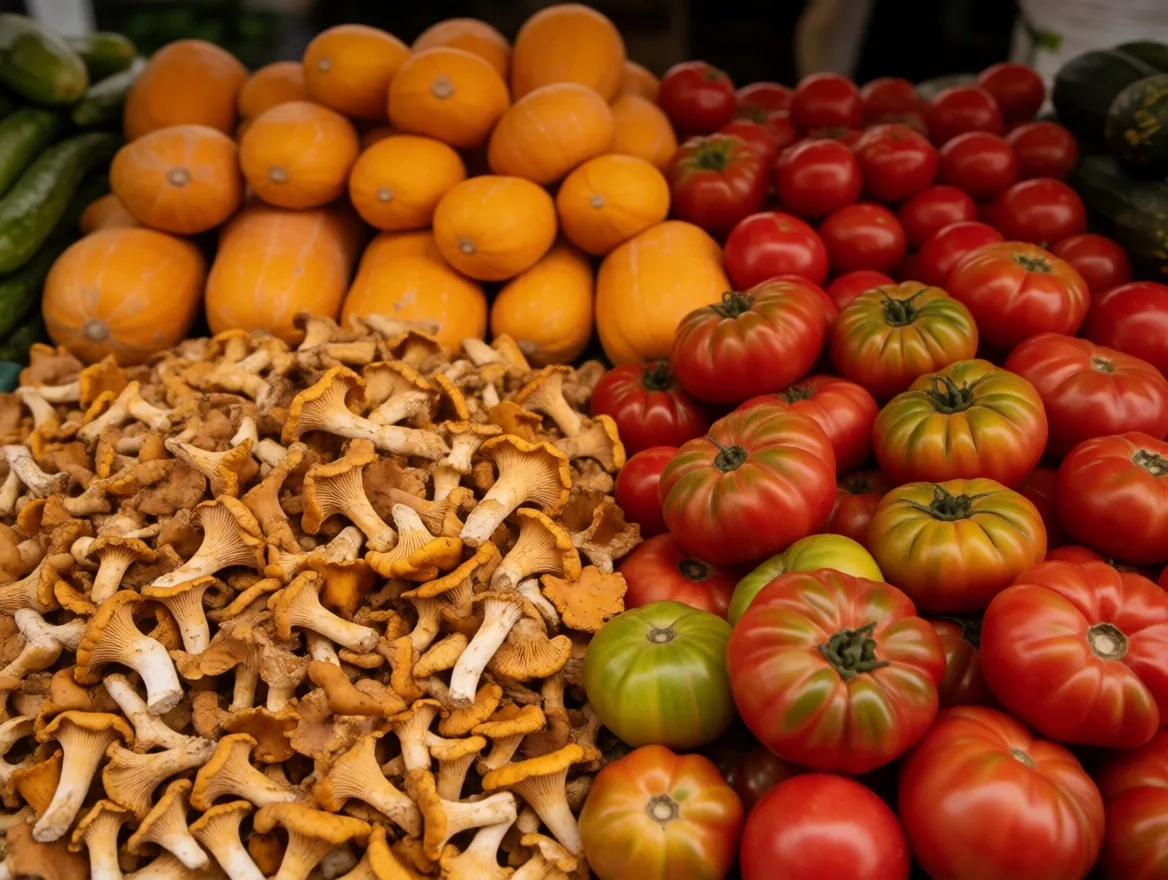
The weather influences our energy needs. In autumn and winter, the planner leans towards hot and restorative dishes: stews, roasts, and thick cream soups. In spring and summer, we look for hydration and freshness: gazpachos, light salads, and grilled fish.
Following the rhythm of the seasons is not just a matter of taste, but a way to tune our diet to what the environment naturally offers us. The local market sets the calendar.
Autumn / Winter
- · Chickpea stew
- · Pumpkin cream soup
- · Braised lentils
- · Roasted vegetables
Spring / Summer
- · Andalusian gazpacho
- · Tomato salad
- · Grilled salmon
- · Cold salmorejo
Principle · 07
Reducing Mental Load
Deciding what to cook every day consumes considerable mental energy. By having a pre-established plan, that fatigue disappears. You will be able to enter the kitchen knowing exactly what to do, turning the act of cooking into a relaxing activity instead of a stressful chore.
Organization is the first step to truly enjoying gastronomy. Knowing that Tuesday is for lentils and Thursday is for baked fish frees up your mind to think about execution, not logistics.
A well-structured menu saves money by avoiding impulse purchases and ensures that you and your family enjoy a complete nutritional variety without constantly repeating dishes.
Principle · 08
Evaluation and Adjustment
No plan is set in stone. We encourage our users to review which dishes worked best and which ones were left over, adjusting quantities for the following week. Planning is a continuous learning process that is perfected with the knowledge of each household's tastes and needs.
Over time, organizing the menu will become an automatic and rewarding habit. Weeks are simplified and the kitchen stops being a battlefield.
Review leftovers
If a dish was left over for two days, reduce the recipe or plan a secondary use.
Note what was liked
Mark the recipes you would repeat and rotate them within the month.
Adjust the rhythm
Adapt the template to days with less time or more guests.